
Connect your core data
Keep your systems
Keep your ERP and operational systems in place while mapping identifiers, product, packaging and material records into a shared master-data layer. Reuse trusted records across heio modules, see where each value came from, and keep change ownership clear as information evolves.
See how ERP worksA shared data layer around your ERP
Start with the records your teams already maintain. Map source identifiers and operational fields into a consistent model for products, packaging, materials and related entities. Reuse those records across heio workflows without creating another isolated copy, while retaining source context, change history and accountable ownership. Vendor-neutral integration patterns keep the architecture adaptable as your systems and operating model evolve.
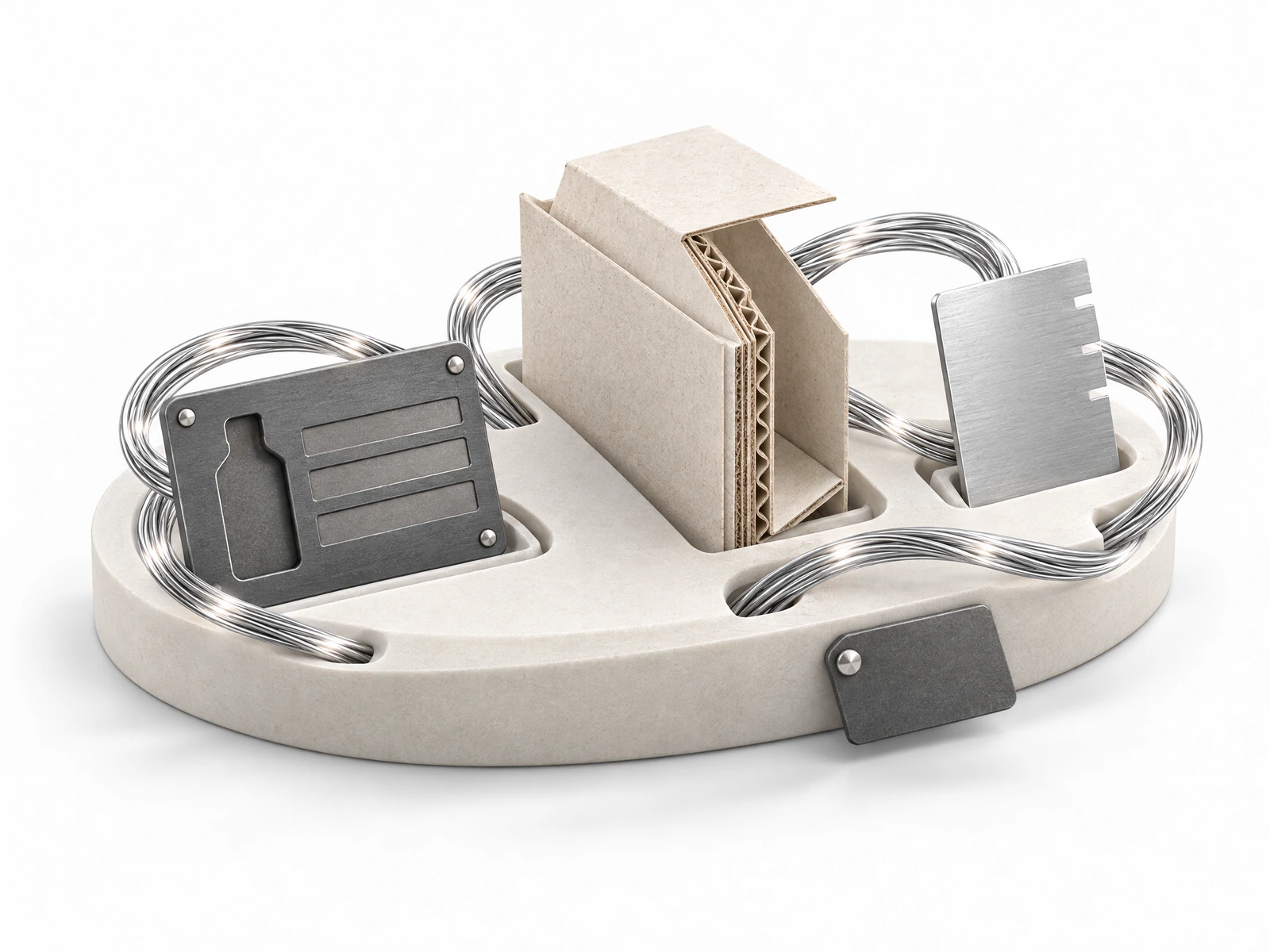
One record, many workflows
Use a maintained product, packaging or material record across connected heio modules. Teams spend less time reconciling duplicate entries and more time working from the same operational context day to day.
Trace every important change
Keep source references and change ownership visible alongside mapped data. When a value needs review, your team can see where it came from, who maintains it and what needs attention.
Build around your landscape
Connect through documented, vendor-neutral patterns rather than designing around a single provider. Adapt mappings and interfaces to your environment while keeping the shared data model useful over time without lock-in.
From operational systems to shared context.
One shared data foundation. A clear owner for every next step.
Experience it in a 30-minute demo- 01
Choose the records that matter
Identify the ERP and operational records that support your work: product identifiers, packaging structures, materials, units, suppliers or other entities. Start with the data where consistency will remove the most friction.
- 02
Map source fields clearly
Define how source identifiers and fields correspond to shared master-data attributes. Keep source values visible, record transformation choices and flag gaps instead of hiding uncertainty inside an opaque mapping.
- 03
Set ownership and review
Assign responsibility for each record or attribute, with a clear path for proposed changes. Review mapped values with the teams who know the source system and the operational context behind them.
- 04
Reuse across connected work
Make approved records available to the heio workflows that need them. When a source value changes, preserve the context for review and let the responsible team decide how downstream records should be handled.
Questions, answered.
Does this replace our ERP?
No. The intended approach is to connect with the systems you already use and create a shared operational data layer around them, not promise a replacement or migration project.
Can we use our existing identifiers?
Yes, the workflow is designed to map existing source identifiers and records into shared master data. The right mapping depends on your source structure, conventions and operating needs.
How are changes attributed?
Mapped records can retain source context and assigned ownership, so teams can review where a value came from, who maintains it and how a change should be handled.
Regulatory sources & scope
Integration scope, mappings, review controls and supported interfaces depend on the source systems and implementation design; this page does not claim named connectors, real-time availability, migration or replacement outcomes.
GS1, W3C PROV and OpenAPI are cited as general standards references, not as certifications, endorsements or proof of heio implementation.