
Know your EPR obligations
Across every market
Turn market-specific producer responsibility into a managed workflow. Reuse trusted product, packaging and material master data, clarify registration routes, and keep reporting evidence tied to the people responsible for each decision—without assuming that one scheme, deadline or process applies everywhere.
See how EPR worksFrom market rules to accountable action
Start with the markets, products and materials in scope. Bring established master data into the obligation view instead of rebuilding spreadsheets for every return. Record registration status, reporting inputs, supporting evidence and accountable owners in one place, so teams can see what is known, what is missing and what needs specialist review. EPR remains market-specific; heio gives the work a repeatable structure.
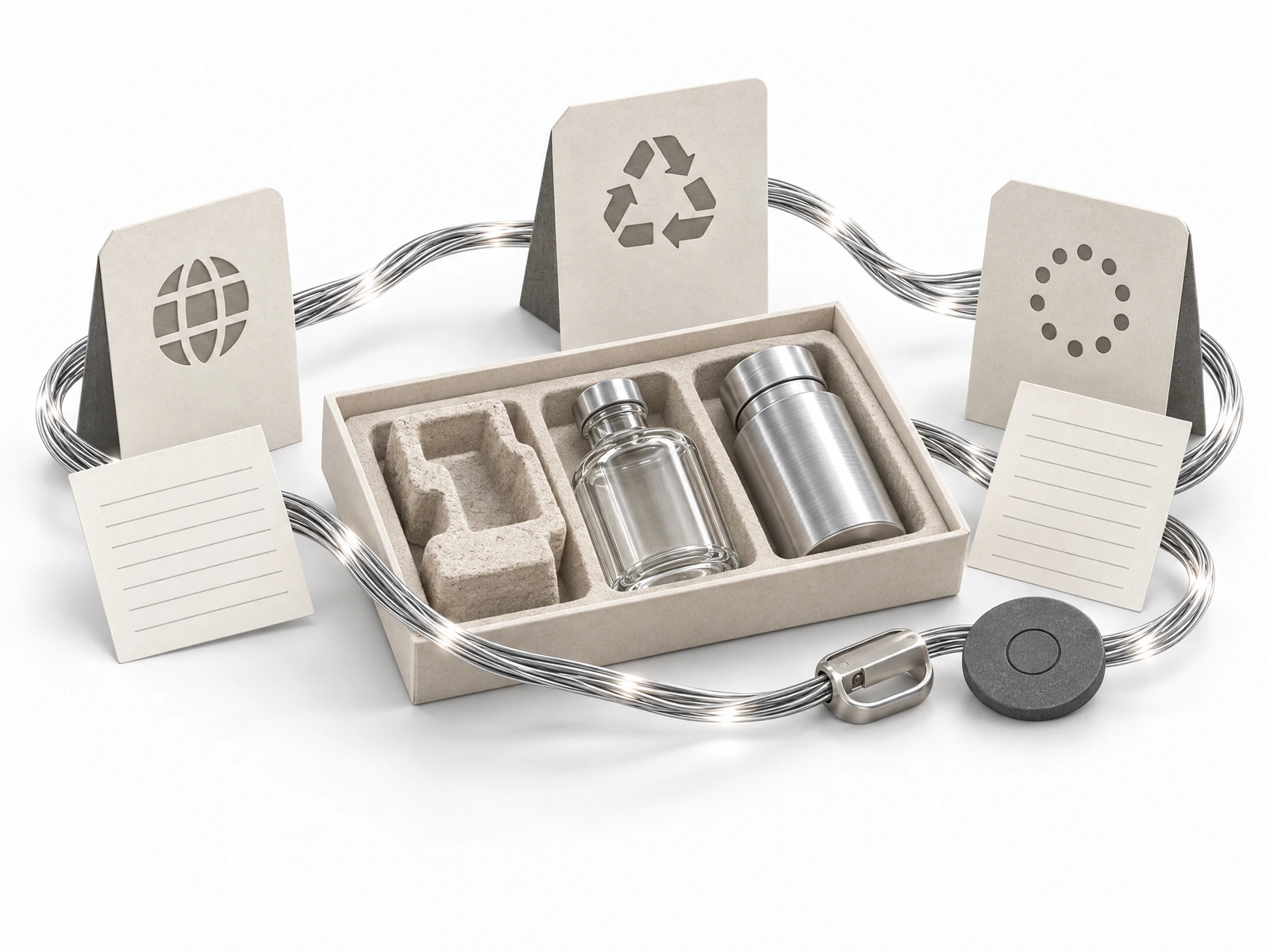
See obligations by market
Separate schemes, producer roles and reporting expectations without flattening them into a generic checklist. Give regulatory and operational teams a shared view of where obligations may apply and where local interpretation is still needed.
Reuse the data you trust
Carry product, packaging and material records into EPR workflows, with context preserved. Reduce duplicate requests and manual re-keying while keeping the source information visible for review, correction and future reporting cycles.
Make ownership explicit
Assign registration checks, evidence requests, data preparation and review to named owners. Keep status and supporting records together, so handovers are clearer and unresolved questions do not disappear inside a spreadsheet or inbox.
From material data to market reporting.
One shared data foundation. A clear owner for every next step.
Experience it in a 30-minute demo- 01
Map markets and schemes
Record where products are placed, which product or packaging streams may be relevant, and which local schemes or authorities require investigation. Capture assumptions rather than treating them as settled legal conclusions.
- 02
Reuse shared master data
Bring approved product, packaging and material attributes into the EPR workspace. Compare what the relevant scheme asks for with what is already available, then flag gaps, conflicts or changes for review.
- 03
Clarify registration routes
Build a visible overview of potential registrations, scheme participation, responsible entities and current status. Keep jurisdiction-specific instructions and decisions attached to the market record; do not imply that heio registers on a producer’s behalf.
- 04
Prepare evidence and reports
Consolidate reporting inputs, declarations, calculations and correspondence with an accountable owner and review trail. Export or hand off the relevant evidence for the applicable authority, scheme or specialist-led submission process.
What applies.
What comes next.
Reviewed 19 November 2026.
Applicable rules depend on the product, packaging and market.
EPR is a responsibility principle, not one universal process
The European Commission describes extended producer responsibility as placing financial or financial and organisational responsibility for the waste stage of a product’s life cycle on producers. The framework is implemented through rules and schemes that can differ by product stream and Member State. [1]
Registration and reporting depend on the jurisdiction
Germany’s packaging register requires relevant producers to provide company master data, packaging types and brand names, with system participation and volume reporting for applicable packaging. UK guidance uses producer activities, establishment, tonnage and turnover to determine obligations, and separates large- and small-producer duties. These examples are not universal rules. [2][3][4]
Regulatory overview, not legal advice. Check the applicable text and transitional measures for your packaging or product.
Questions, answered.
Does EPR work the same way in every country?
No. Producer definitions, covered streams, thresholds, registrations, schemes, data fields and reporting cycles can differ by market. Treat the workflow as a structured starting point and validate each obligation with the relevant authority or qualified adviser.
Can heio register us with government authorities?
heio organises the registration overview, required information, evidence and owners. Your authorised team or appointed compliance partner handles the applicable submission. Registration processes and authority acceptance remain market-specific.
How is this different from PPWR compliance?
EPR focuses on producer-responsibility obligations, registrations and reporting inputs across markets. PPWR addresses packaging requirements and conformity. The reporting component organises evidence and review; shared product, packaging and material data can support all three.
Regulatory sources & scope
EPR requirements vary by country, product or packaging stream, producer role, thresholds and scheme; this copy does not state a universal deadline or legal conclusion.
heio is presented as a workflow for organising obligations, shared master data, evidence and ownership; it does not promise automatic government registration, filing, acceptance or compliance.
Registration routes, reporting inputs and responsible entities should be confirmed against current authority guidance and reviewed by the producer’s legal, regulatory or compliance specialists.
This package is intentionally distinct from PPWR product-compliance and reporting content; shared data does not make the two scopes interchangeable.